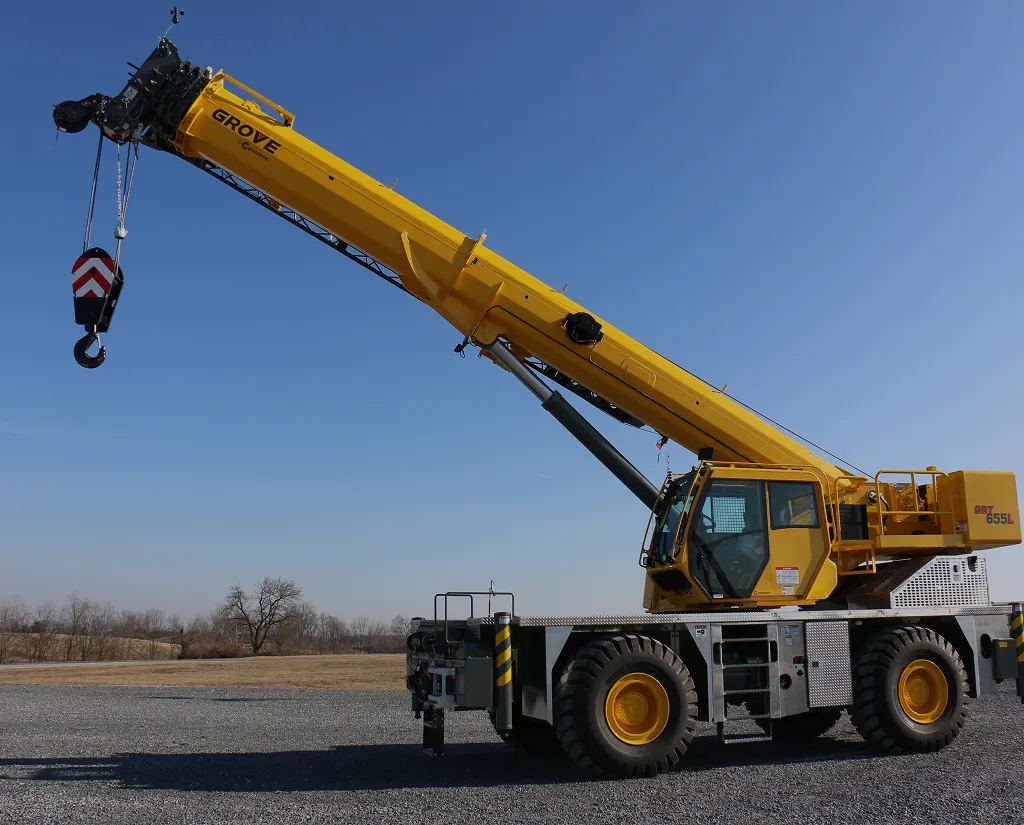
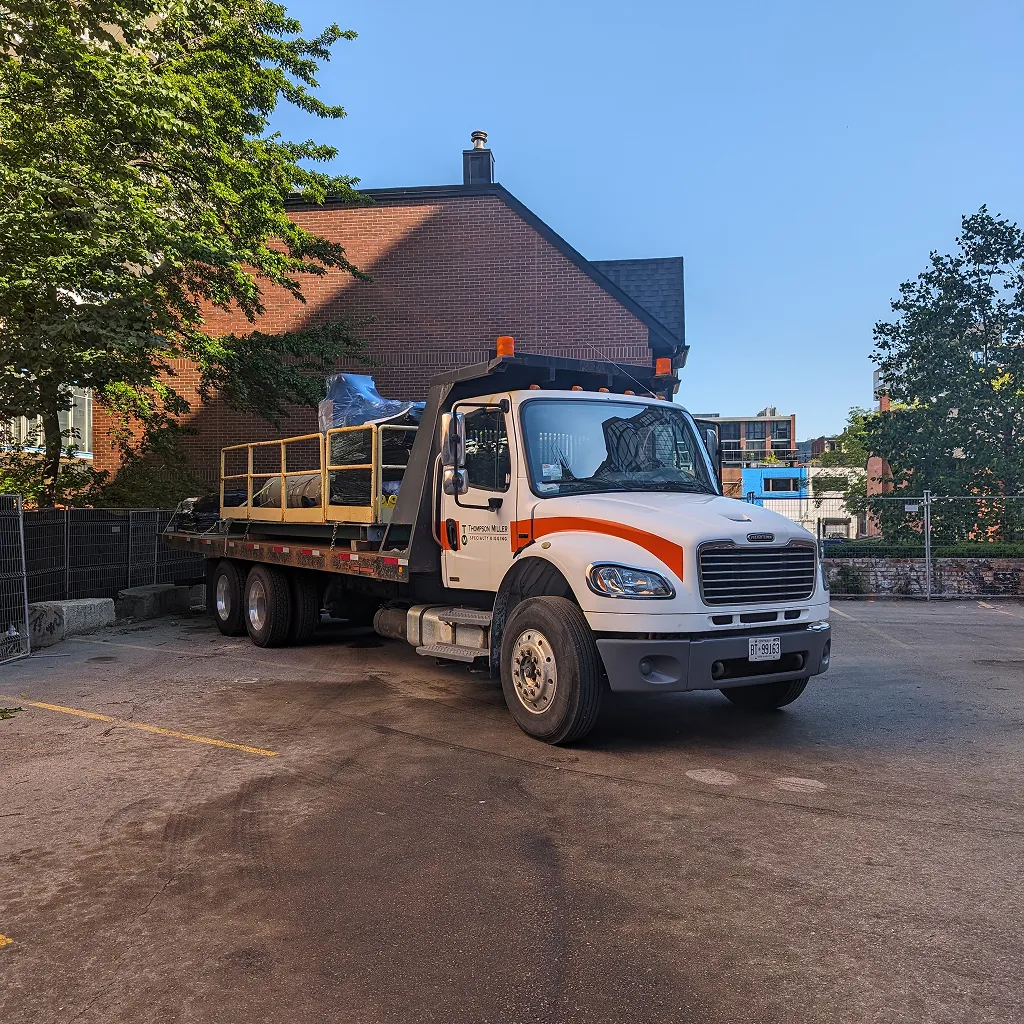
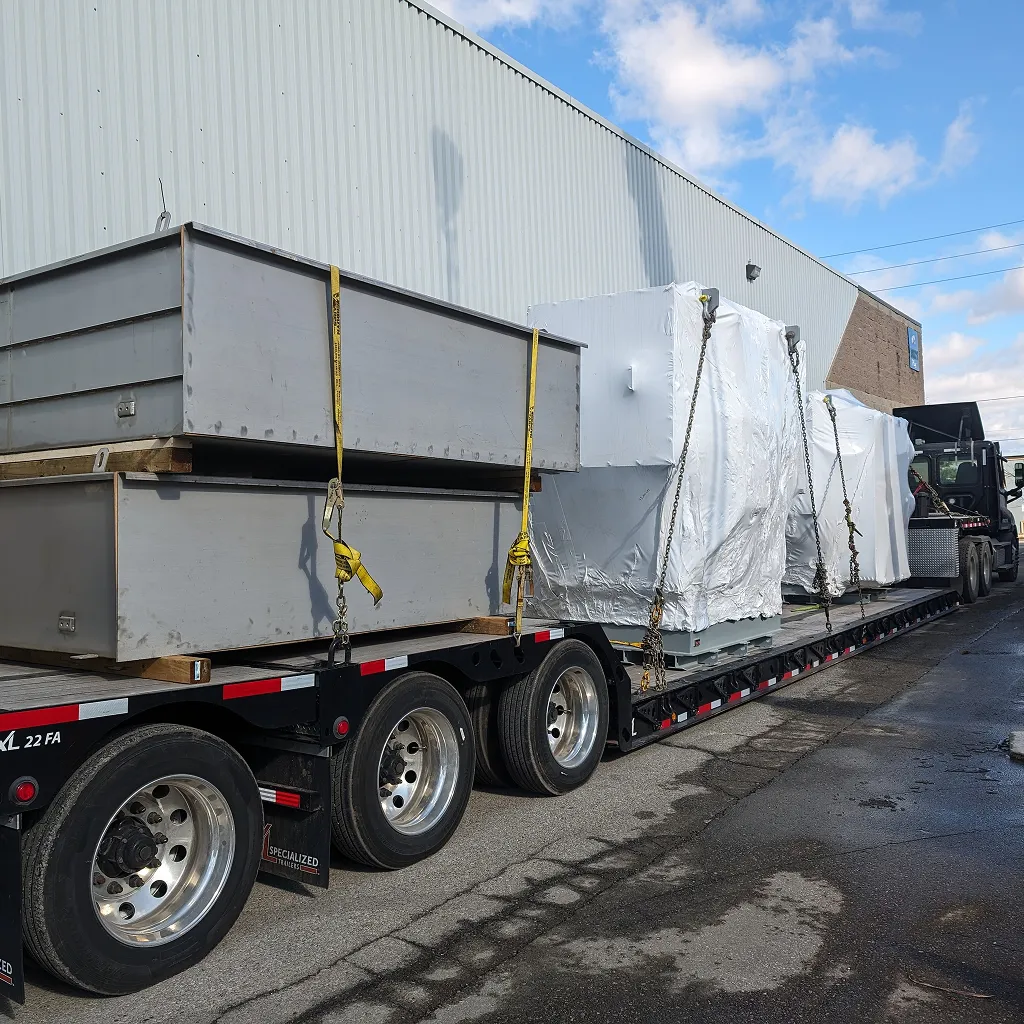
From rooftop placements and tight-access lifts to machinery moving and crane dismantling, our fleet gives us greater control over planning, scheduling, and safe execution across Toronto, backed by decades of experience.
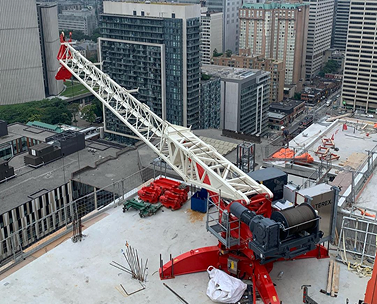
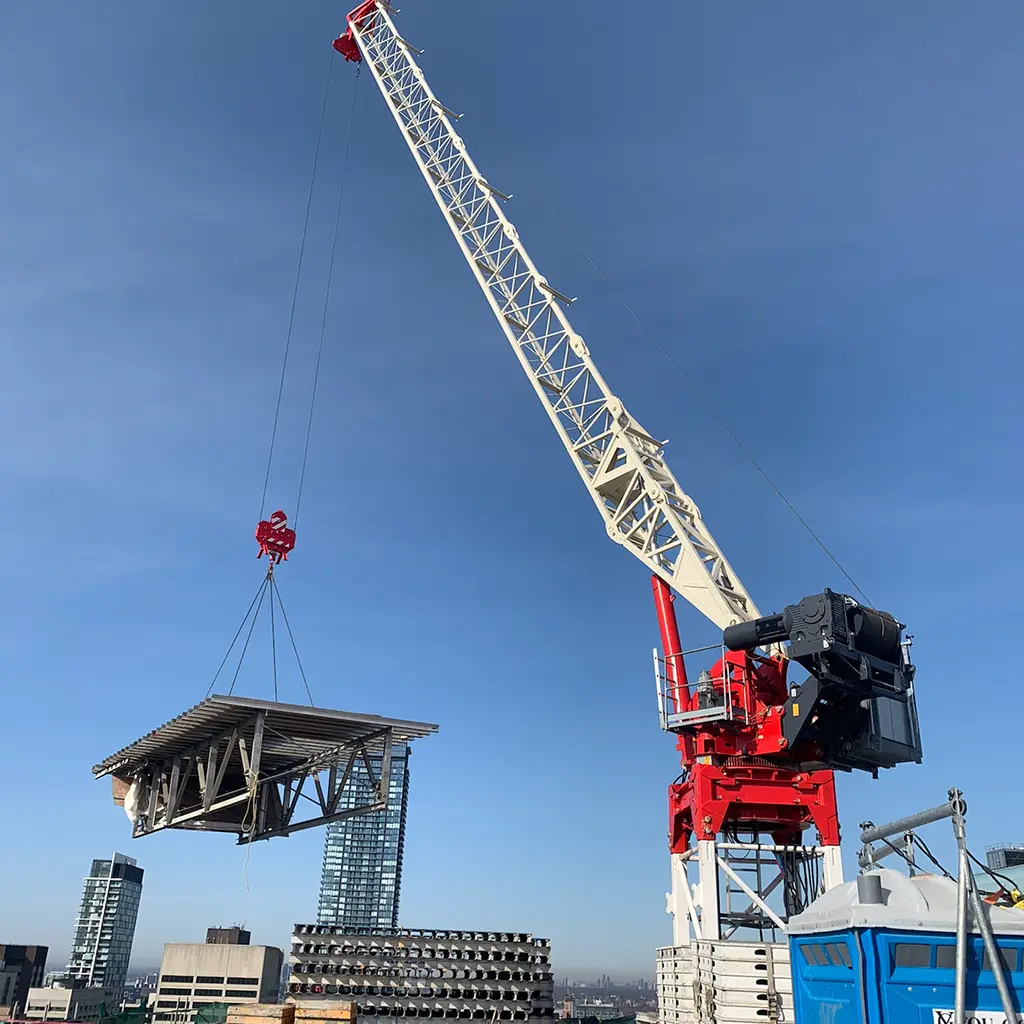
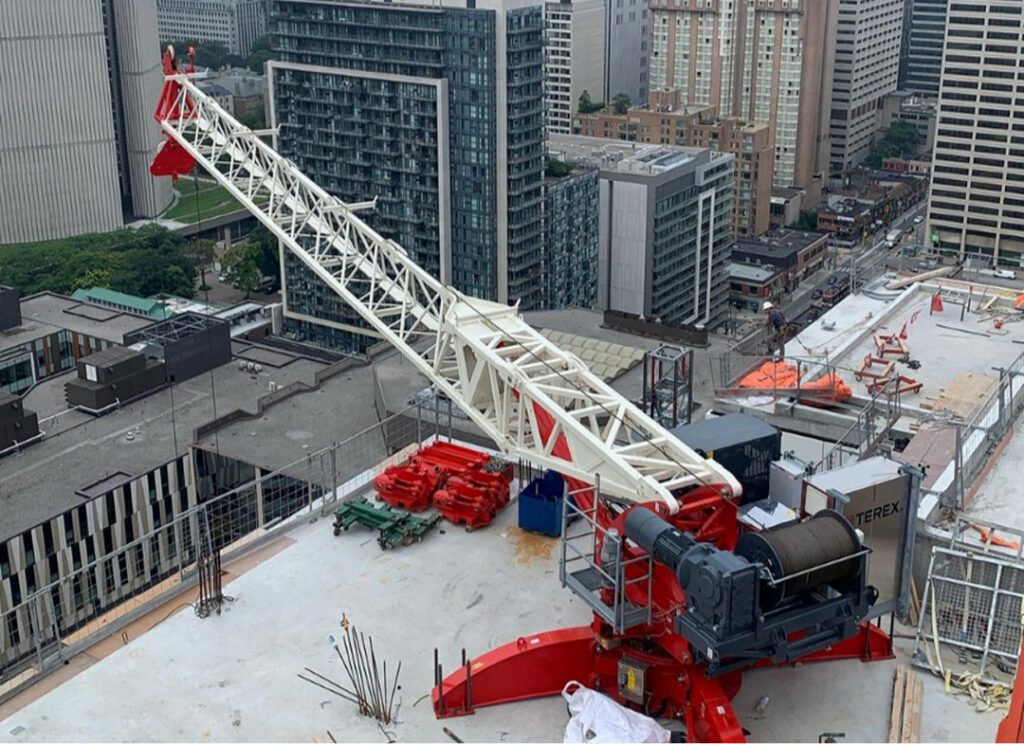
Terex CDK-100
The ultimate solution for high-altitude heavy lifting and tower crane recovery on major Ontario high-rise projects. Engineered to break down and fit into standard service elevators, it eliminates the massive logistical bottlenecks and street-level disruptions of traditional mobile cranes. Ideal for large-scale structural steel installations and massive plant change-outs where ground-based setups are impossible.
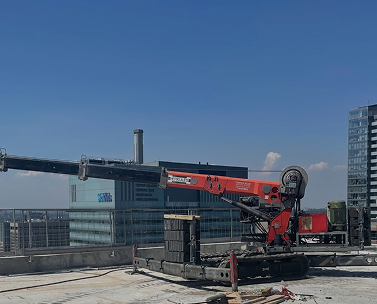
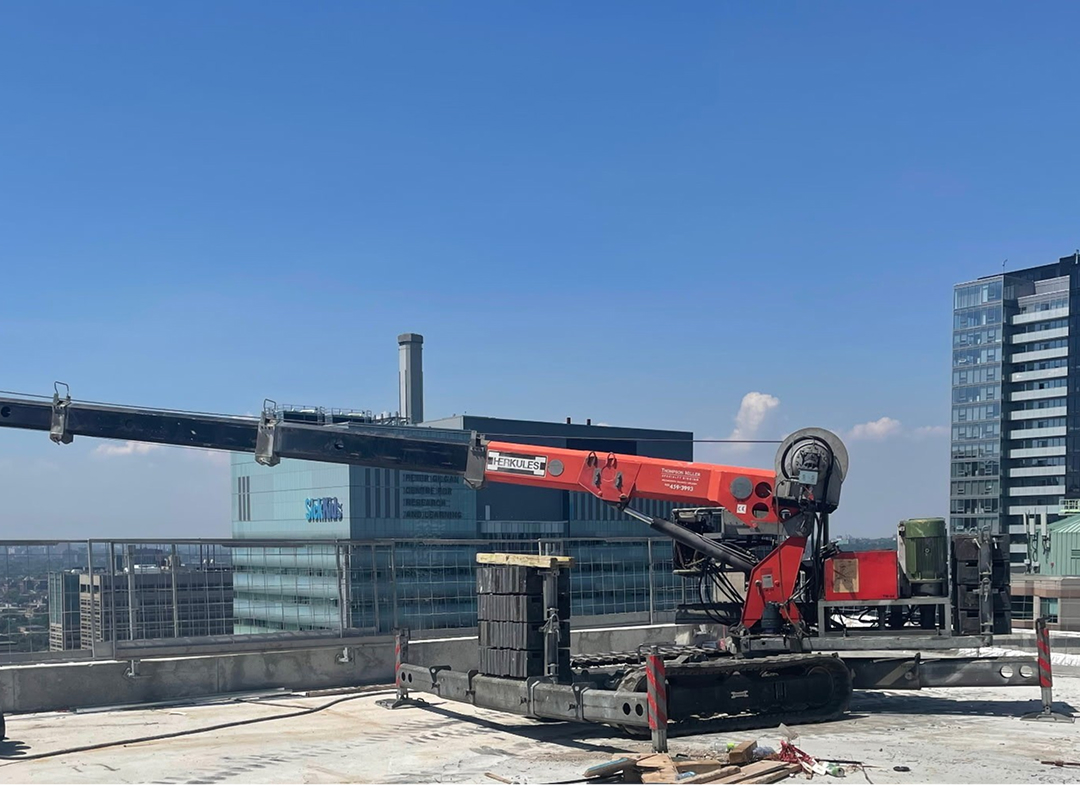
Herkules RK-11
Specifically designed for complex rooftop retrofits where space is limited but heavy lifting power is mandatory. This highly innovative system can be completely hand-assembled on a building's roof in just 45 minutes by a small crew. It bridges the gap between light spider cranes and heavy derricks, making it the perfect choice for medium-weight mechanical and electrical equipment swaps on dense urban environments.
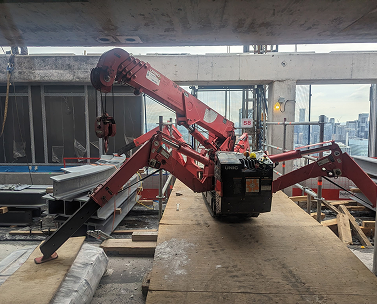
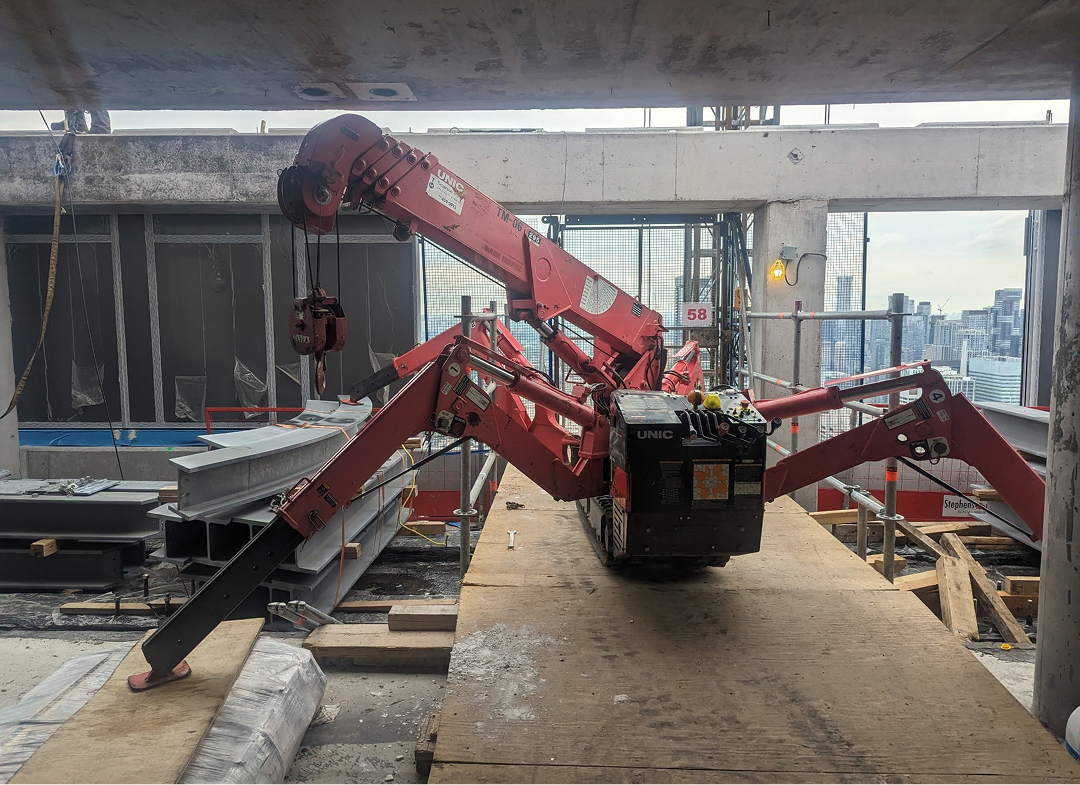
Spyder Cranes
Our most agile, ultra-narrow lifting solution for highly confined interior spaces and sensitive rooftop environments. Measuring just 24 inches wide, it rolls effortlessly through standard single doorways and into passenger elevators for quick, autonomous deployment. It excels at precision structural steel placements and detailed mechanical room installations inside active facilities.
You are not fully dependent on outside crane companies for every specialized lift.
The same team understands the equipment, the rigging plan, the site constraints, and the execution.
Useful for tight sites, occupied buildings, downtown locations, rooftops, alleys, courtyards, and mechanical spaces.
You can select the right equipment around the actual lift conditions instead of forcing a generic solution.
Smaller or more specialized crane setups can sometimes reduce site shutdowns, road closures, and coordination headaches.
Our rigging and moving services are supported by experienced rigging crews who understand how to move, lift, place, and dismantle equipment in challenging environments. Whether the work involves rooftop mechanical units, machinery relocation, structural components, or limited-access lifts, Thompson Miller combines equipment selection with practical field planning to complete the job safely and efficiently.
Choosing the right crane is about more than maximum lifting capacity. Every project has different site conditions, access limitations, load requirements, schedule constraints, and safety considerations. Before recommending equipment, Thompson Miller reviews the practical details of the lift so the crane selected is appropriate for the actual work being performed.
Our goal is to make the process simple for our clients: you show us what needs to move and where it needs to go, and we take care of the rest. Our team reviews the load, access route, lifting radius, setup location, obstructions, staging requirements, coordination with other trades, and overall site conditions to determine the safest and most efficient approach.
Because our crane services are supported by experienced rigging crews, we provide more than just equipment. We help plan the lift, select the right crane or rigging method, coordinate the work, and execute the placement from start to finish. This full-solution approach helps reduce uncertainty for clients and allows them to rely our team to manage the details.

In addition to Toronto, we proudly serve the surrounding Greater Toronto Area, including Mississauga, Brampton, Markham, Vaughan, Richmond Hill, Oakville, Burlington, Pickering, Ajax, Whitby, Oshawa, and Milton. Whether your project is in the downtown core or a suburban industrial park, we deliver the cranes, crew, and coordination you need to get the job done safely and efficiently.
A crew of seasoned experts on speciality rigging and craning.
Tell us what needs to move and where it needs to go. We’ll take care of the rest.
Answers to common questions about crane selection, rooftop lifts, site access, and project planning.
You do not need to know the exact crane required before contacting Thompson Miller. Our team reviews the load, access conditions, setup location, working radius, lift height, surrounding obstructions, and site restrictions to determine which crane or lifting method is best suited for the work.
A roof crane is typically used for specialized lifting work where access, space, or building conditions make a conventional mobile crane less practical. Mobile cranes are often suited for larger open-site lifts, while roof cranes can be valuable for rooftop equipment placement, internal crane dismantling, restricted-access lifts, and projects where setup space is limited.
Yes. Our cranes can support rooftop equipment placement for HVAC units, rooftop units, mechanical equipment, structural components, and other materials that need to be lifted to elevated or difficult-to-access locations. Each rooftop lift is reviewed based on load weight, reach, access, setup location, and site-specific conditions.
Yes. Some crane lifts are better suited to smaller or more specialized crane setups, especially where the site is congested, access is restricted, or a large mobile crane would create unnecessary disruption. Thompson Miller reviews the actual lift conditions to determine whether a roof crane, mobile crane, specialized crane, or combined rigging approach is the best fit.
Yes. Crane capacity depends on the crane configuration, working radius, boom or jib length, setup conditions, load position, and other lift-specific factors. The maximum listed lifting capacity is not always the available capacity for a particular crane lift. This is why every lift must be reviewed based on the actual site conditions and lifting requirements.
Helpful information includes the approximate weight and dimensions of the load, pickup location, final placement location, lift height, site photos, drawings or layout plans, access limitations, available setup space, and any known restrictions such as overhead obstructions, floor loading limits, road access, or active work areas.
Yes. Restricted access is one of the main reasons clients involve Thompson Miller. Tight setup areas, rooftop locations, interior spaces, narrow access paths, occupied buildings, and congested sites can all affect crane selection. Our team reviews these conditions before recommending the most practical crane or lifting approach.
Thompson Miller’s crane work is supported by experienced rigging crews who can help with crane selection, lift planning, site coordination, rigging, lifting, and placement. Rather than simply supplying equipment, our goal is to provide a practical crane solution that makes the lift easier for the client to manage from start to finish.
Do you still have questions?
That's fine. Send us the messy details. We'll help review the access and requirements, so we can figure out what will actually work from the team that tackles the toughest lifts.
Terex CDK-100
The ultimate solution for high-altitude heavy lifting and tower crane recovery on major Ontario high-rise projects. Engineered to break down and fit into standard service elevators, it eliminates the massive logistical bottlenecks and street-level disruptions of traditional mobile cranes. Ideal for large-scale structural steel installations and massive plant change-outs where ground-based setups are impossible.
Herkules RK-11
Specifically designed for complex rooftop retrofits where space is limited but heavy lifting power is mandatory. This highly innovative system can be completely hand-assembled on a building’s roof in just 45 minutes by a small crew. It bridges the gap between light spider cranes and heavy derricks, making it the perfect choice for medium-weight mechanical and electrical equipment swaps on dense urban envrionments.
Spyder Cranes
Our most agile, ultra-narrow lifting solution for highly confined interior spaces and sensitive rooftop environments. Measuring just 24 inches wide, it rolls effortlessly through standard single doorways and into passenger elevators for quick, autonomous deployment. It excels at precision structural steel placements and detailed mechanical room installations inside active facilities.